
Wellness & biological dentistry
SMART Amalgam Removal in Houston
Old silver fillings, removed the careful way: the full SMART protective protocol, then a biocompatible, tooth-colored restoration in their place.
What SMART means
Dr. Basil removes amalgam only under the full SMART protective protocol — and tells you honestly which old fillings genuinely need replacing and which can be left alone.
SMART is the Safe Mercury Amalgam Removal Technique — a defined protective protocol for taking out old silver (amalgam) fillings, developed by the IAOMT, one of the academies this practice belongs to. Amalgam contains mercury, and the protocol’s purpose is simple: when a filling is removed, the protections are in place for you, the team and the treatment room.
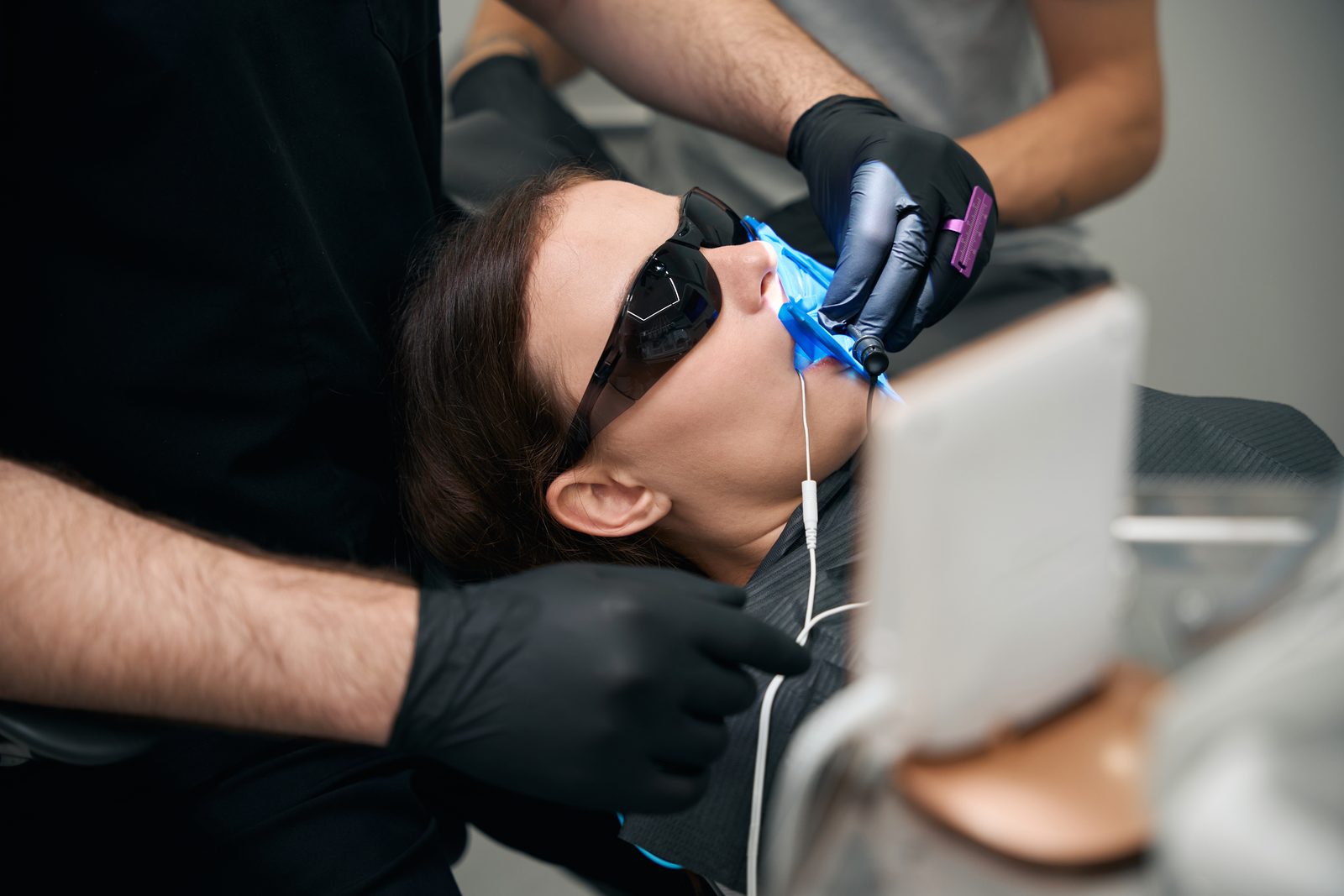
In practice that means isolation of the tooth, high-volume suction and clean-air measures, protective coverage for you, copious water, and removing the filling in sections rather than grinding it away — each step reducing exposure during the removal. It is a deliberate, unhurried procedure, and it’s the only way amalgam leaves a tooth in this practice.
What replaces the silver
A biocompatible, tooth-colored restoration — composite or ceramic depending on the tooth — shade-matched and bonded, so the tooth ends up both healthier-looking and conservatively restored. If several old fillings are involved, we’ll sequence the work sensibly across visits and give you the full written plan up front.
Why a protocol matters
Drilling out an old amalgam filling releases mercury vapor and particulate — that isn’t controversial, it’s simply what happens when the material is cut. The question is what the dental team does about it. The SMART protocol treats removal as an exposure-management problem and answers it with layered protections, so the removal itself doesn’t become the most significant mercury exposure of your year.
This is part of a larger philosophy here: dentistry that is conscious of materials. What goes into your mouth — and how things come out of it — matters to the rest of your body. We don’t make disease claims about amalgam, and we won’t frighten you into treatment. We simply believe that when a metal restoration leaves a tooth, it should leave carefully.
What to expect at your visit
It starts with an honest assessment. We look at each amalgam — its age, condition, the health of the tooth underneath — and tell you plainly which ones genuinely need replacement, which could wait, and in what order we’d sequence the work. You get that plan in writing, with costs, before anything is scheduled.
The removal appointment itself is deliberate and unhurried. The tooth is isolated behind a protective barrier, you’re draped and shielded, high-volume suction and clean-air measures run throughout, and the filling comes out in sections rather than being ground away. Most single-tooth removals, including the new restoration, take about an hour to ninety minutes. If you’re anxious, nitrous oxide is available — just ask.
In most cases the new tooth-colored restoration is placed the same visit, so you leave with the tooth finished — not with a temporary and another appointment.
After your appointment
Mild temperature sensitivity for a few days is normal while the tooth settles; it fades on its own. The bonded restoration needs no special care beyond what we’d recommend anyway — good daily biofilm control and regular hygiene visits, where we’ll keep an eye on the new restoration along with everything else.
If several teeth are involved, we space the appointments sensibly and re-check the earlier work as we go. The goal is a mouth that’s restored conservatively, metal-free, and stable for the long run — not a race.
Is it right for you?
Who asks for SMART removal
Patients come to this treatment from different directions:
- An old amalgam filling is cracked, leaking or failing anyway
- You’re replacing old dental work and want it done under the protective protocol
- You prefer to remove metal restorations from your mouth
- Your health practitioner suggested addressing old amalgams
- A tooth with an old silver filling needs a crown or other work
- You simply want the careful version of a procedure you need regardless
Good to know
Amalgam removal questions, answered
Should everyone have their amalgam fillings removed?
No — and we’ll tell you that plainly. An intact, well-sealed amalgam doing its job can often be left alone. Removal makes sense when a filling is failing, when the tooth needs work anyway, or when removing it matters to you — and then it should be done under the protocol, not casually.
Is the procedure safe?
The entire point of the SMART protocol is maximizing protection during removal — isolation, suction, air management, sectioning. It’s a careful, methodical version of a routine procedure.
What goes in the tooth afterwards?
A biocompatible, tooth-colored composite or ceramic restoration, matched to your enamel — consistent with the metal-free approach we take across the practice.
Does insurance cover it?
Replacing a failing filling is ordinary restorative dentistry, which plans typically cover in part. We’ll review your benefits and give you the exact out-of-pocket figure in writing first.
How long does a SMART removal appointment take?
Plan on about an hour to ninety minutes for a single tooth, including the new tooth-colored restoration — the protocol adds care, not hours. Multiple teeth are sequenced across visits in a written plan.
Can all my amalgams be removed in one visit?
Usually we stage the work — by quadrant or by priority — so each visit stays comfortable and each tooth gets unhurried attention. Your written plan lays out the order and the reasoning.
Will my tooth be sensitive afterwards?
Some temperature sensitivity for a few days is common and settles on its own. If a tooth stays sensitive longer, we want to see it — occasionally an old, deep filling hides a tooth that needs more help, and catching that early matters.



Ready to transform your smile?
Book a consultation, or call us — we keep room for emergencies during office hours.