
General dentistry
Sedation Dentistry in Houston
If fear has kept you out of the chair — for months or for decades — sedation is the bridge back. Two options, no judgment, and a team that’s good at gentle.

Dental anxiety is common — and workable
Dr. Basil matches the comfort option to your anxiety — nitrous for everyday nerves, oral sedation for deeper fear — after reviewing your health history.
A meaningful share of adults avoid the dentist out of fear, often after a bad experience years ago — and avoidance quietly turns small problems into big ones. Sedation breaks that cycle: visits become calm, time compresses, and patients who white-knuckled every cleaning routinely tell us they felt nothing worse than boredom. There is no lecture waiting for you here; just a plan.
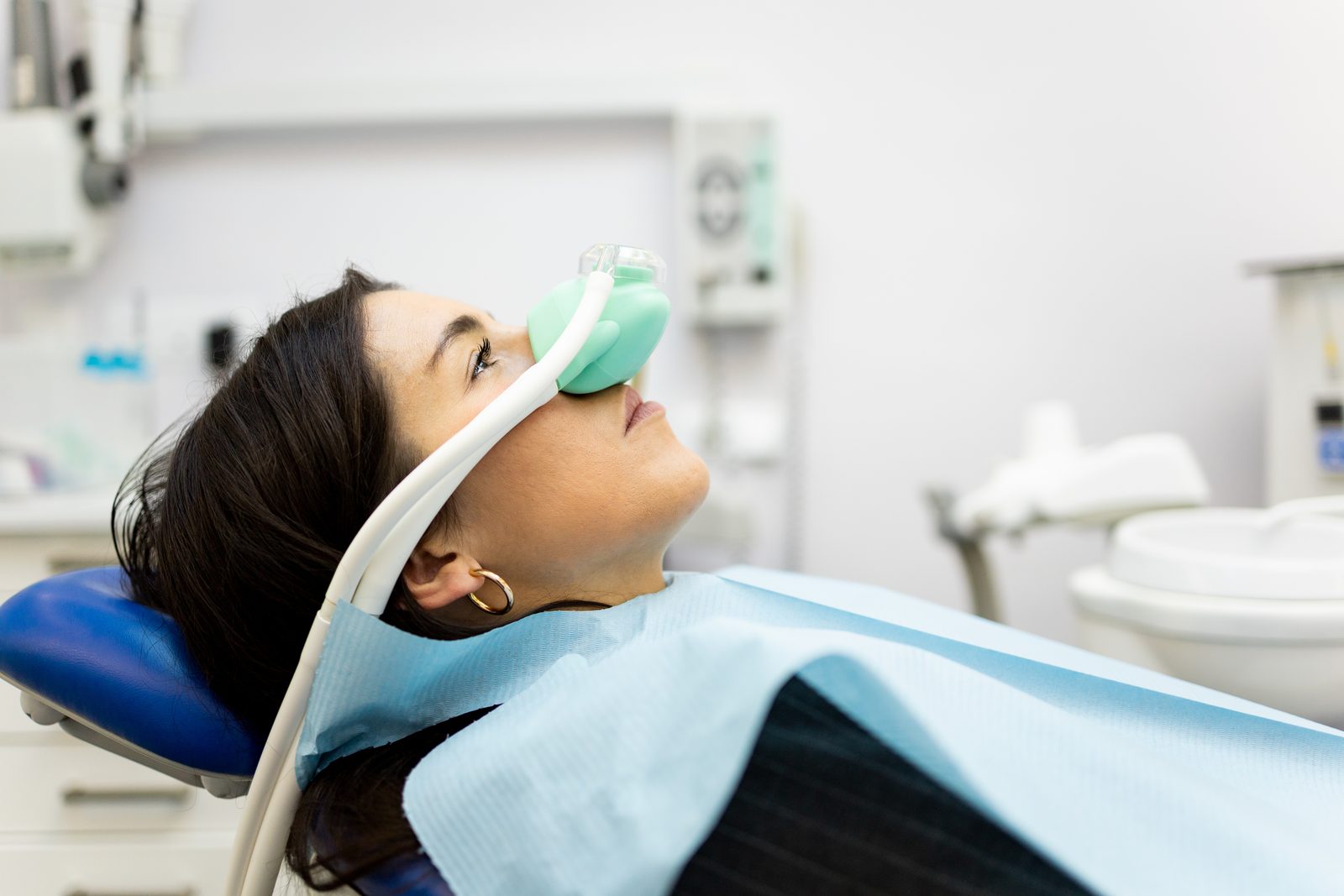
Two options cover nearly every need. Nitrous oxide — a gentle gas you breathe through a soft nose piece — takes the edge off within minutes and wears off just as fast, so you drive yourself home. Oral sedation — a prescribed tablet before your visit — goes deeper: you’re awake and responsive but deeply relaxed, and most patients remember little of the appointment. Each has its own page if you want the details.
Sedation is for more than fear
It also serves strong gag reflexes, trouble getting numb, jaws that tire quickly, and long visits — sedation lets us comfortably combine work that would otherwise take several appointments, which is exactly how years of postponed dentistry gets caught up in one or two calm sittings.
Matching the option to the anxiety
Sedation isn’t one-size-fits-all. For mild nerves and shorter visits, nitrous oxide takes the edge off and wears off before you reach the parking lot. For deeper anxiety, difficult past experiences, long appointments or a strong gag reflex, oral sedation turns the visit into a calm blur you barely remember. The consult is where we match the tool to you — your anxiety, your health history and what the appointment actually involves.
Safety, plainly
Both options we offer are conscious sedation: you remain awake, breathing on your own, able to respond — deeply calm, never unconscious. Before any sedation we review your health history and medications, during treatment you’re monitored throughout, and dosing is deliberately conservative. Sedation here is a comfort tool used carefully, not a production line.
Breaking the avoidance cycle
The real value of sedation isn’t one easy visit — it’s the pattern it breaks. Fear leads to avoidance, avoidance lets small problems grow, and big problems confirm the fear. Sedation interrupts that loop: care gets caught up, often in fewer, longer visits, and the catastrophic appointments stop happening. Many patients find they need sedation less over time — because nothing bad has happened in years. There’s no judgment here about how long it’s been; just a way back.
Is it right for you?
Who sedation helps
Ask about sedation when you book if:
- Dental anxiety has kept you away — however long it’s been
- A past dental experience left a mark
- You have a strong gag reflex
- Local anesthetic has struggled to get you numb before
- You’d like years of postponed work handled in fewer, longer visits
- You just want the appointment to feel like nothing
Good to know
Sedation questions, answered
Will I be unconscious?
No — both nitrous and oral sedation keep you awake, responsive and breathing on your own. You’re relaxed, not asleep; oral sedation patients often simply remember very little.
Is sedation safe?
Both options are long-established, widely used, and administered with monitoring throughout. We review your health history and medications first — that conversation is part of every sedation plan.
Which option should I choose?
Rule of thumb: nitrous for taking the edge off routine visits — you can drive after; oral sedation for deeper relaxation and longer visits — you’ll need a ride. We’ll match the option to your anxiety level and your plan.
Does insurance cover sedation?
Nitrous is sometimes covered; oral sedation less often. Either way you’ll know the exact cost in writing before your visit — for most patients it’s a modest price for finally getting care comfortably.
Will I be unconscious?
No — both nitrous oxide and oral sedation are conscious sedation. You’re awake, responsive and breathing on your own, just profoundly calm. Many oral-sedation patients remember little of the visit, which for most of them is precisely the appeal.
Can I drive myself home?
After nitrous, yes — a few minutes of oxygen clears it completely. After oral sedation, no — you’ll need someone to drive you both ways and plan a restful remainder of the day.
Does sedation cost extra?
Nitrous oxide is a modest addition to a visit; oral sedation is quoted as part of your written treatment plan, so you’ll see the exact figure before anything is scheduled. No surprises is a house rule.


Ready to transform your smile?
Book a consultation, or call us — we keep room for emergencies during office hours.