
Sedation dentistry
Oral Sedation in Houston
One prescribed tablet before your visit — and the appointment you’ve been dreading becomes a calm blur you barely remember.

How oral sedation works
Dr. Basil screens your health history before prescribing, then monitors you throughout — deep calm, safely managed.
You take a prescribed sedative tablet about an hour before your appointment — by the time you’re in the chair, a deep, heavy calm has settled in. You remain awake: you can answer questions and follow simple instructions. But anxiety is switched off, time compresses, and most patients afterward remember only fragments, if that. For people whose fear is the main obstacle to care, that amnesia is quietly the most healing part.
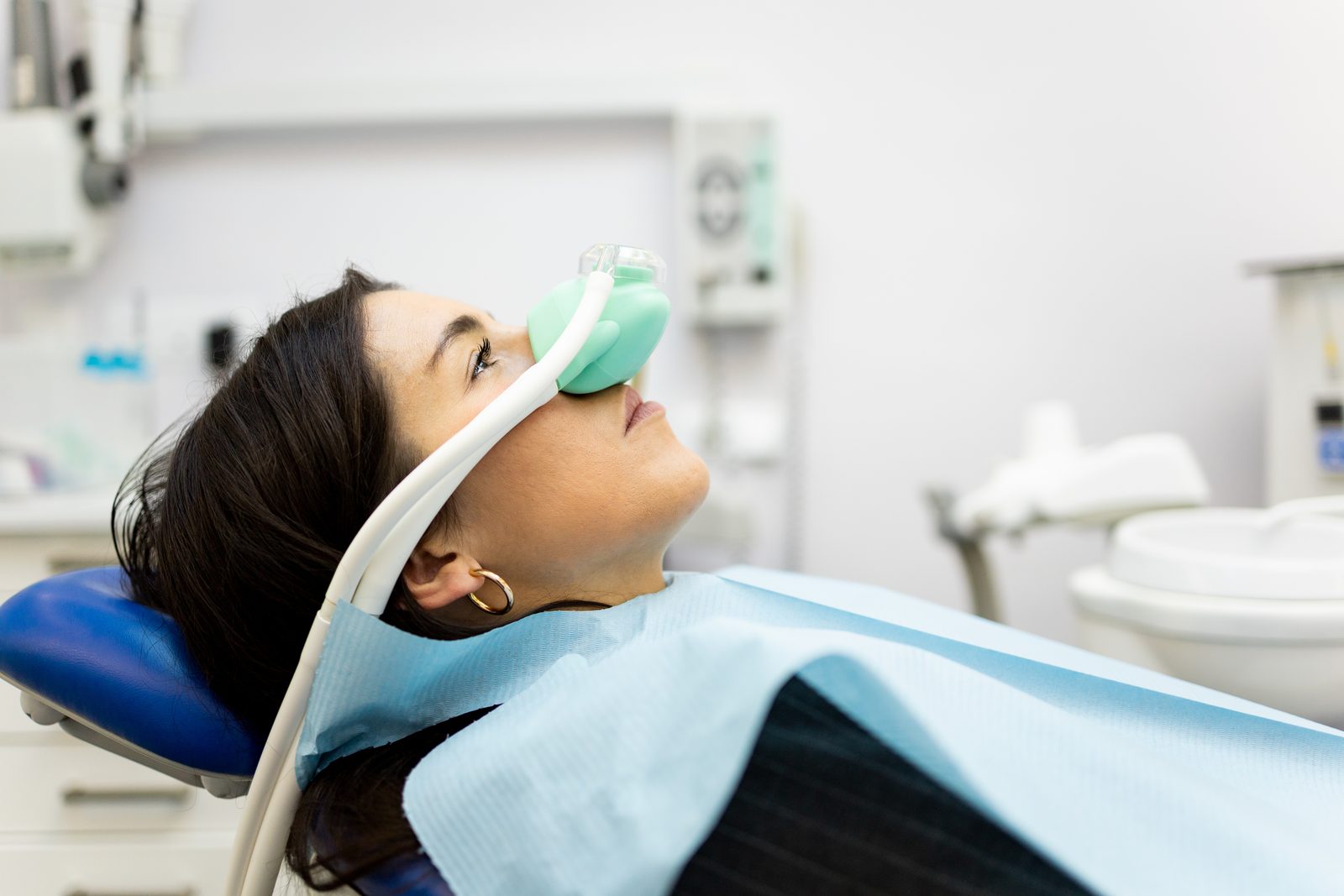
Throughout the visit you’re monitored continuously, and nitrous can be layered on top for fine-tuning. The practical requirement: a trusted adult drives you to the visit and home again, and you take the rest of the day off from driving, work and decisions.
Made for the big catch-up
Oral sedation pairs perfectly with longer visits — which is how years of postponed dentistry get handled in one or two sittings instead of a dozen anxious ones. If you’ve been away a long time, this is the comfortable road back: one consultation, one honest plan, and treatment days that pass like minutes.
Your appointment, start to finish
You’ll get the prescription and instructions ahead of time: take the tablet about an hour before your visit, with a companion driving you in. By the time you’re settled in the chair, a deep, heavy calm has taken over — the appointment proceeds while you drift, aware in a distant way, responsive when we ask. Afterward your companion takes you home, you rest for the remainder of the day, and by the next morning you’re yourself again, usually with only fragments of memory from the visit.
Who it’s for
Oral sedation is built for the anxiety that nitrous can’t touch: deep dental fear, difficult past experiences in a chair, severe gag reflexes, or simply a large treatment plan you’d rather experience as one quiet appointment instead of four tense ones. It’s also how patients who’ve avoided dentistry for years get caught up without the ordeal they’ve been bracing for.
Safety and honesty
Oral sedation begins with a real screening — your health history and current medications reviewed before anything is prescribed — and you’re monitored throughout the visit. It’s conscious sedation: deeply calm, never unconscious, always breathing on your own. And it isn’t for everyone; certain health situations rule it out, in which case we’ll tell you plainly and plan your comfort another way.
Is it right for you?
Who oral sedation is for
Consider the deeper option when:
- Dental anxiety is severe — booking itself took courage
- You’d rather remember almost nothing of the visit
- You’re catching up on years of postponed treatment in fewer visits
- Nitrous alone hasn’t been enough in the past
- A long procedure is planned and you want it to fly by
- You can arrange a companion to drive you both ways
Good to know
Oral sedation questions, answered
Will I be asleep?
No — oral sedation keeps you conscious and responsive, just deeply relaxed. Some patients doze lightly; all are easily roused. It’s not general anesthesia.
Is it safe?
The medications are well-established, the dose is planned against your health history and medications, and you’re monitored throughout the visit. The pre-visit review is part of every oral sedation plan.
What are the rules around the appointment?
Follow the eating instructions we give you, take the tablet as directed, and have a trusted adult drive you both ways — then write off the rest of the day. We’ll give it all to you in writing.
How much does it cost?
Modest relative to the treatment it makes possible — and quoted exactly, in writing, with your plan. For many long-avoiding patients it’s the best money in the whole plan.
Will I remember the appointment?
Most patients remember very little — fragments at most. For people whose anxiety is fed by the memory of past visits, that effect is often the single most valuable part of the experience.
How long before I’m back to normal?
Plan to rest for the remainder of the day — no driving, no work, no important decisions. By the next morning the sedative has run its course and you’re back to your routine.
Can I get a lot of work done in one sedation visit?
Yes — that’s one of its best uses. Time compresses under sedation, so treatment that would otherwise span several appointments can often be consolidated into one or two longer, calmer visits. We’ll design the plan around it.

Ready to transform your smile?
Book a consultation, or call us — we keep room for emergencies during office hours.