
Implant dentistry
Implant & Restorative Solutions
The teeth on top of the implants: crowns, bridges and implant-supported dentures — designed, fitted and maintained in one Houston practice.
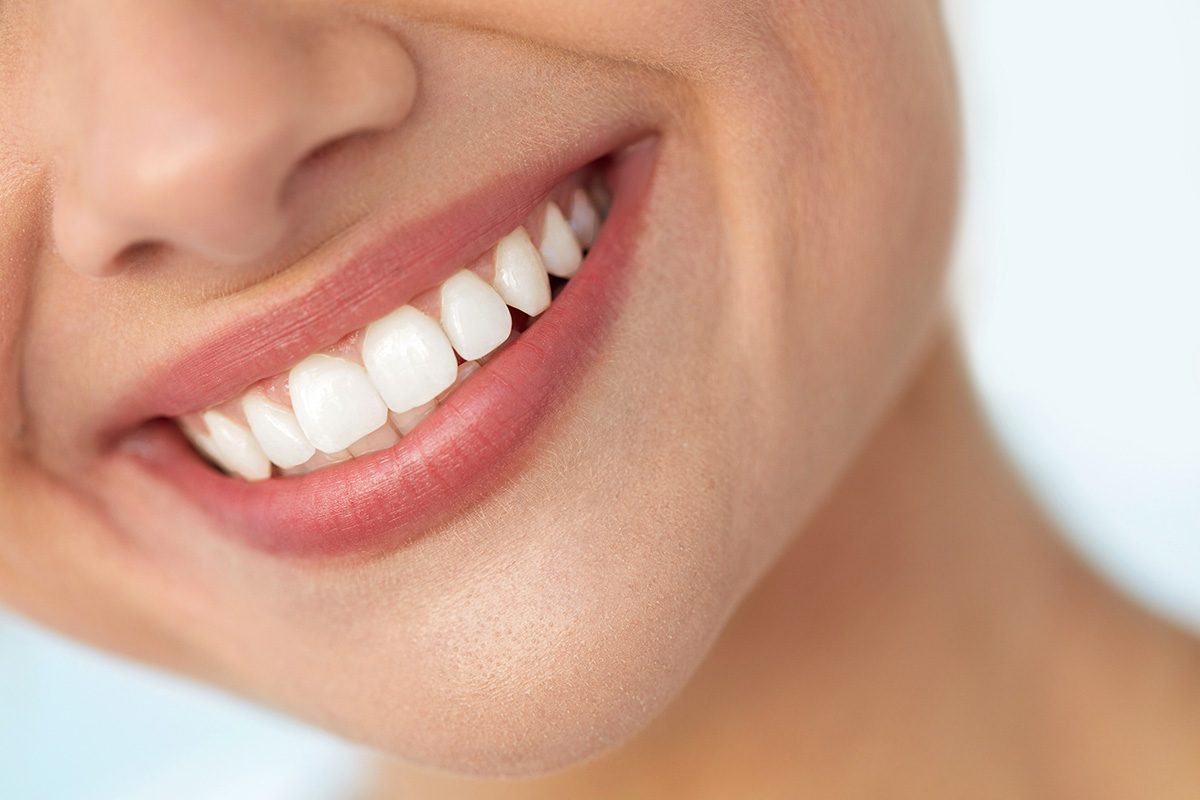
Restorations built to be mistaken for teeth
Dr. Basil both places the implant and builds the tooth on top of it — one set of hands, one plan, so the restoration and the foundation are made for each other.
An implant is only as good as the tooth built on it. This page covers that second half of implant dentistry: the crown on a single implant, the bridge that spans several, and the denture that clicks onto implants instead of floating on the gum. Every one of them is designed digitally around your face and bite, matched to the teeth beside it, and finished by Dr. Basil — the same hands that planned and placed the implant.
We also restore and repair implant work done elsewhere. A chipped implant crown, a loose bridge, a denture attachment that’s worn out — bring it in. We’ll assess what you have, tell you honestly what it needs, and fix what can be fixed rather than defaulting to replacing everything.
Implant-supported dentures: stability without surgery on every tooth
For patients missing many teeth, a removable denture anchored on two to four implants is a middle path: dramatically more stable than a conventional denture — no slipping, no adhesive — at a lower cost than a fixed full arch. If you’re weighing the options, we’ll walk you through both with your own scan in front of you.
Three ways to rebuild on implants
A single missing tooth gets an implant crown — one implant, one custom ceramic tooth, no grinding down the healthy neighbors the way a traditional bridge requires. Several missing teeth in a row get an implant bridge: two or more implants carrying a span of teeth. And for patients who wear a full denture, implants can anchor it — either a snap-in overdenture you remove to clean, or a fixed full-arch bridge that never comes out. Which is right depends on your anatomy, your priorities and your budget; we’ll lay the options side by side.
Designed around your face, not just the gap
Every restoration here is designed digitally — shade-mapped against your natural teeth, shaped to your bite, and planned as part of the smile it lives in rather than a lone replacement part. Materials follow the practice’s metal-free philosophy: high-strength ceramics that look like enamel because they behave like it, down to the way light passes through. The goal is a tooth your tongue stops noticing and your eye can’t pick out.
Repairs and rescues
Implant work ages, and life happens: a crown chips, a connecting screw loosens, an overdenture stops snapping firmly, or work done years ago elsewhere never quite felt right. Bring it in. We diagnose and repair implant restorations regardless of where they were placed — often more simply than patients fear — and when something genuinely needs remaking, you’ll get the honest assessment and the written plan before anything begins.
Is it right for you?
When restorative solutions are the answer
Book a consultation if any of these sounds like you:
- You have an implant and need the crown or bridge completed
- An implant crown or bridge from another office is chipped, loose or failing
- Your denture slips, clicks or limits what you can eat
- You want your denture anchored on implants
- A tooth next to existing implant work now needs attention
- You want one practice responsible for the whole result
Good to know
Restorative questions, answered
Can you fix implant work done at another office?
Usually, yes. We’ll examine what’s there, often with a 3D scan, and give you a straight answer: what can be repaired, what should be replaced, and what it will cost — in writing, before anything starts.
What’s the difference between an implant-supported denture and All-on-4?
An implant-supported denture snaps onto implants but still comes out for cleaning; All-on-4 is fixed in place and only a dentist removes it. Fixed feels most like natural teeth; the snap-on option costs less and is easier to clean for some patients. Both are far more stable than a conventional denture.
How long do implant crowns and bridges last?
With good hygiene and regular visits, many last decades. The porcelain can chip like a natural tooth can, which is one reason we design your bite carefully and check your restorations at every hygiene visit.
Are metal-free restorations available?
Yes — all-ceramic crowns and bridges are our standard for esthetics and biocompatibility, in keeping with the practice’s wellness approach.
My implant tooth chipped or feels loose. Can it be fixed?
Usually, yes — a loose implant crown is often a loosened screw, a straightforward fix, and chips in ceramic can frequently be repaired or the crown remade without touching the implant itself. Come in promptly: small problems caught early stay small.
Can my denture be upgraded to snap onto implants?
Often, yes. Depending on its condition and your anatomy, an existing denture can sometimes be converted to an implant-retained overdenture — and if a new one is needed, you’ll know exactly why. The stability difference is night and day.
Do implant teeth stain or decay?
Ceramic doesn’t decay, and it resists stain better than natural enamel. The living tissue around an implant still needs care, though — gum health is what protects the implant underneath, which is why your hygiene visits still matter just as much.


No cases in this category yet.
Ready to transform your smile?
Book a consultation, or call us — we keep room for emergencies during office hours.