
General dentistry
Gum Disease Treatment in Houston
Bleeding gums are an infection, not a nuisance — and the clearest place oral health and whole-body health meet. Modern therapy, measured by results.

What gum disease is — and why we take it seriously
Dr. Basil treats gum disease as a partnership — precise cleaning and measured re-checks from him, daily care coached for you.
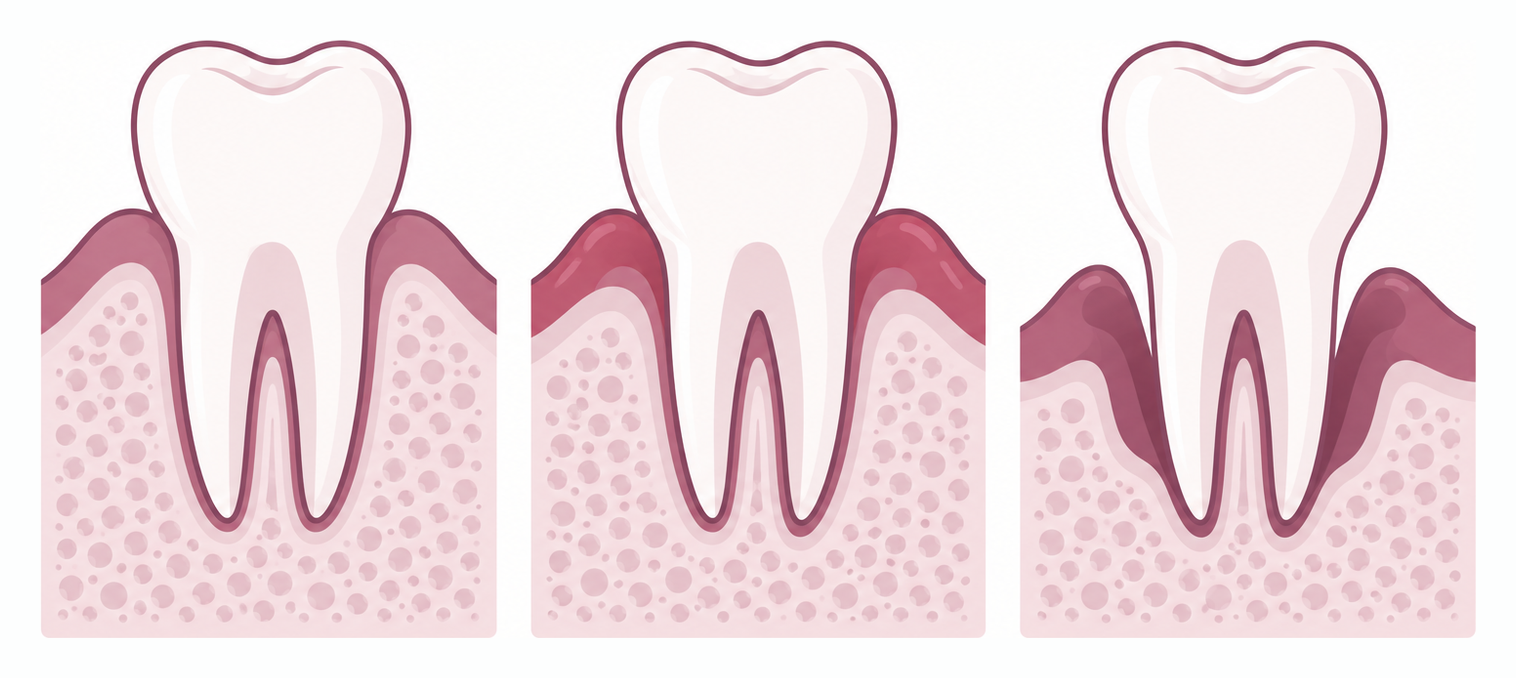
Gum disease is a bacterial infection of the tissues holding your teeth. It starts as gingivitis — red, bleeding gums, fully reversible — and progresses quietly into periodontitis, where the infection dismantles the bone under your gumline. It’s the leading cause of adult tooth loss, and it rarely hurts until it’s advanced. Bleeding when you brush is not “normal”; it’s the first symptom.
The stakes go past the mouth. Chronic gum inflammation is associated with health concerns throughout the body — the strongest everyday example of this practice’s founding principle, that oral health is the foundation of overall health. Treating it well is general healthcare.
How we treat it
Modern periodontal therapy here combines precise, comfortable deep cleaning of the root surfaces with Guided Biofilm Therapy and bacterial reduction — ozone and antimicrobial irrigation of the pockets — so both the deposits and the infection driving the disease are addressed. Then maintenance keeps it controlled, with your pocket measurements re-checked at every visit: therapy with a scoreboard, and you see the score.
Treatment matched to the stage
Gingivitis — red, bleeding, but no bone loss yet — reverses with a thorough professional cleaning and a reset of home care; caught here, gum disease is an episode, not a condition. Established periodontitis needs more: deep cleaning below the gumline paired with our bacterial reduction therapies, then a maintenance rhythm that keeps the infection from re-establishing. The stage determines the plan, and measurement determines the stage — never guesswork.
What deep cleaning is actually like
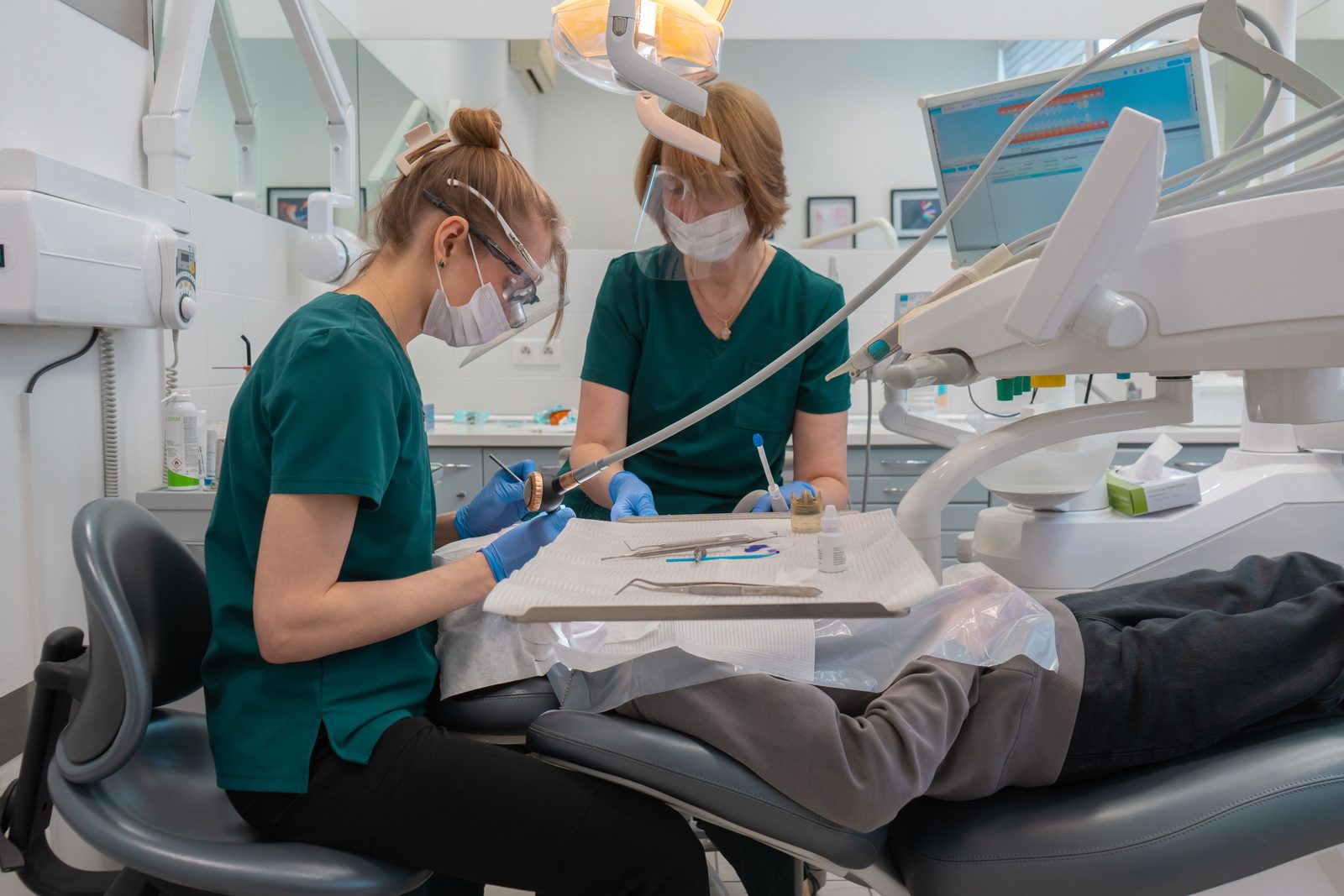
Gentler than its reputation. The areas being treated are numbed, hardened deposits are removed from the root surfaces below the gumline, and the pockets are disinfected — ozone and antimicrobial irrigation are standard here, not upsells. It’s typically done over one or two comfortable visits. Afterward, gums feel tender for a day or two, then noticeably calmer than they’ve been in years.
Your part, and ours
Gum disease is managed in partnership. Ours: precise cleaning, pocket-by-pocket measurement at every re-evaluation, and maintenance visits timed to the biology — typically every three to four months, because that’s how fast the bacteria repopulate. Yours: the daily routine we coach you through, aimed at the exact spots your measurements flag. The reward is watching your own numbers improve — shallower pockets, fewer bleeding points, teeth that stay yours.
Warning signs
Signs your gums are asking for help
Any of these earns an assessment:
- Gums that bleed when you brush or floss
- Red, puffy or tender gums
- Persistent bad breath or a bad taste
- Gums pulling back — teeth looking “longer”
- A tooth that feels slightly loose or has shifted
- A family history of gum disease or early tooth loss
Good to know
Gum disease questions, answered
Can gum disease be cured?
Gingivitis — the early stage — is fully reversible. Established periodontitis is controlled rather than cured, like other chronic conditions; with proper therapy and maintenance, most patients stay stable and keep their teeth.
Does deep cleaning hurt?
It’s done comfortably numbed, usually one side of the mouth at a time, and the airflow-based methods we use are far gentler than the old scrape. Sedation is available for anxious patients.
Why do I need visits every 3–4 months now?
Because the bacteria repopulate pockets on roughly that schedule. Periodontal maintenance intervals follow the biology — and as your measurements improve, the interval can stretch.
Can gum disease affect my implants?
Yes — the same bacteria cause peri-implantitis, the gum disease of implants. Controlling it is part of protecting any implant investment, which is why our implant patients are automatic members of the maintenance program.
Can gums grow back after gum disease?
Tissue and bone lost to periodontitis don’t regrow on their own — which is the strongest argument for treating early. Treatment stops the loss and lets the gums heal tight again, and for certain defects, regenerative options exist; we’ll tell you honestly if yours is such a case.
Why do my gums bleed when I floss — should I stop?
Bleeding is the inflammation announcing itself, not a sign you’re flossing wrong — and stopping is exactly backwards. With proper treatment and daily care, the bleeding typically fades within a couple of weeks. Gums that never bleed are the goal and, measured visit to visit, an achievable one.
Is gum disease contagious?
The bacteria behind it can pass through saliva between partners and family members, though disease needs more than exposure — it needs a foothold. Good daily care on both sides of the bed is real protection. If one of you has been diagnosed, it’s reasonable for both to be screened.


Ready to transform your smile?
Book a consultation, or call us — we keep room for emergencies during office hours.